SAME-DAY SERVICE AVAILABLE
Signs of a Slab Leak
A slab leak is a leak in a water pipe that runs under or inside a concrete floor slab. The most common signs are warm spots on the floor, the sound of running water with every fixture off, a water meter that keeps moving, cracked tile or flooring, and a water heater that runs more than usual. This guide from Leak Detection Bensalem explains each sign.
15+
Years Service
500+
Leak Inspections
9+
Communities Served
2400+
Happy Owners

Same-Day Service
same day detections
Licensed Detectors
Warranty Backed
Transparent Pricing
━ WARNING SIGNS
The Most Common Slab Leak Signs
Pipes under a slab leak into the soil and the concrete, so the first signs usually appear on the floor surface, on the water bill, and at the water heater.
- Warm or Hot Spots on the Floor: A leaking hot water line heats the concrete above it and creates a warm area on tile, wood, or carpet.
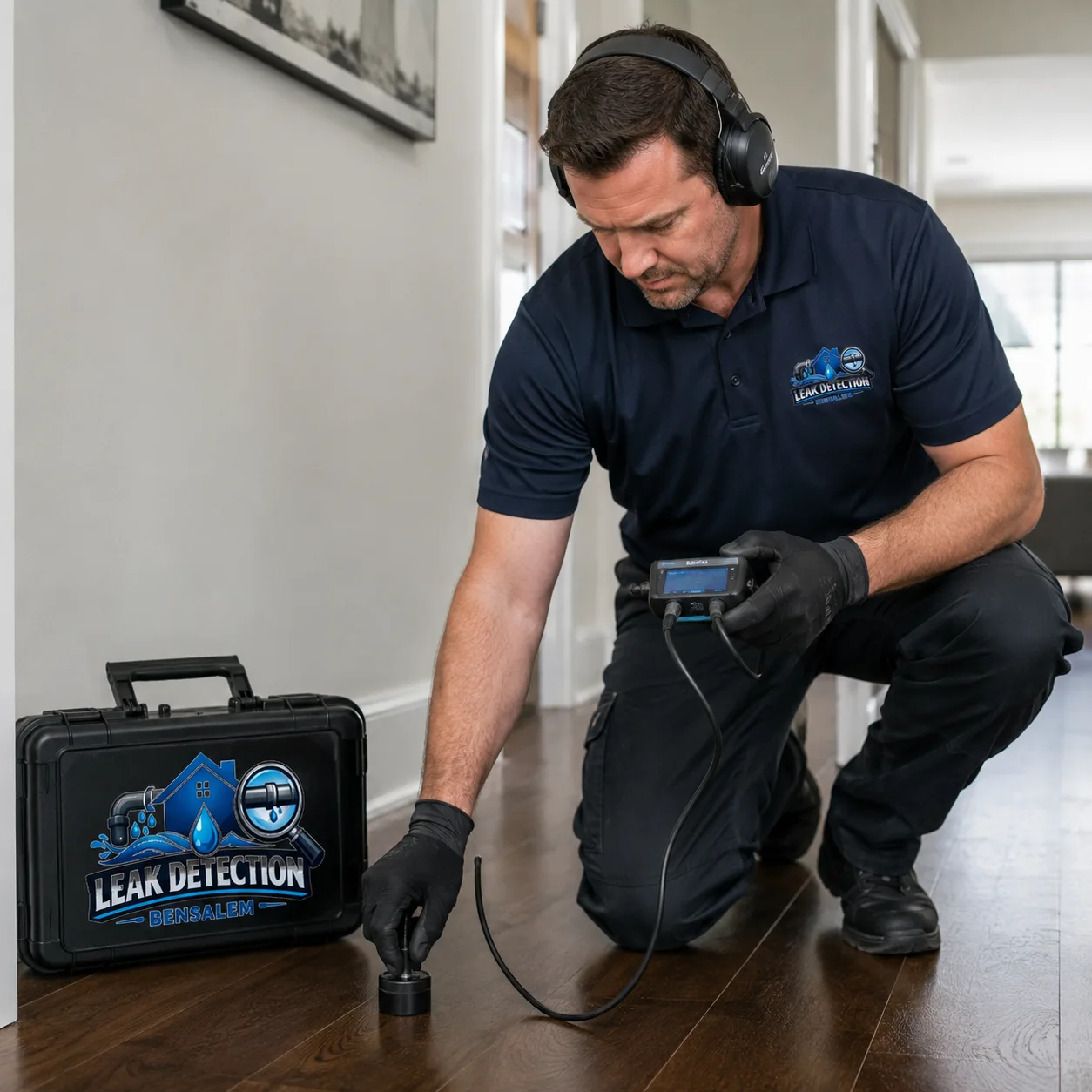
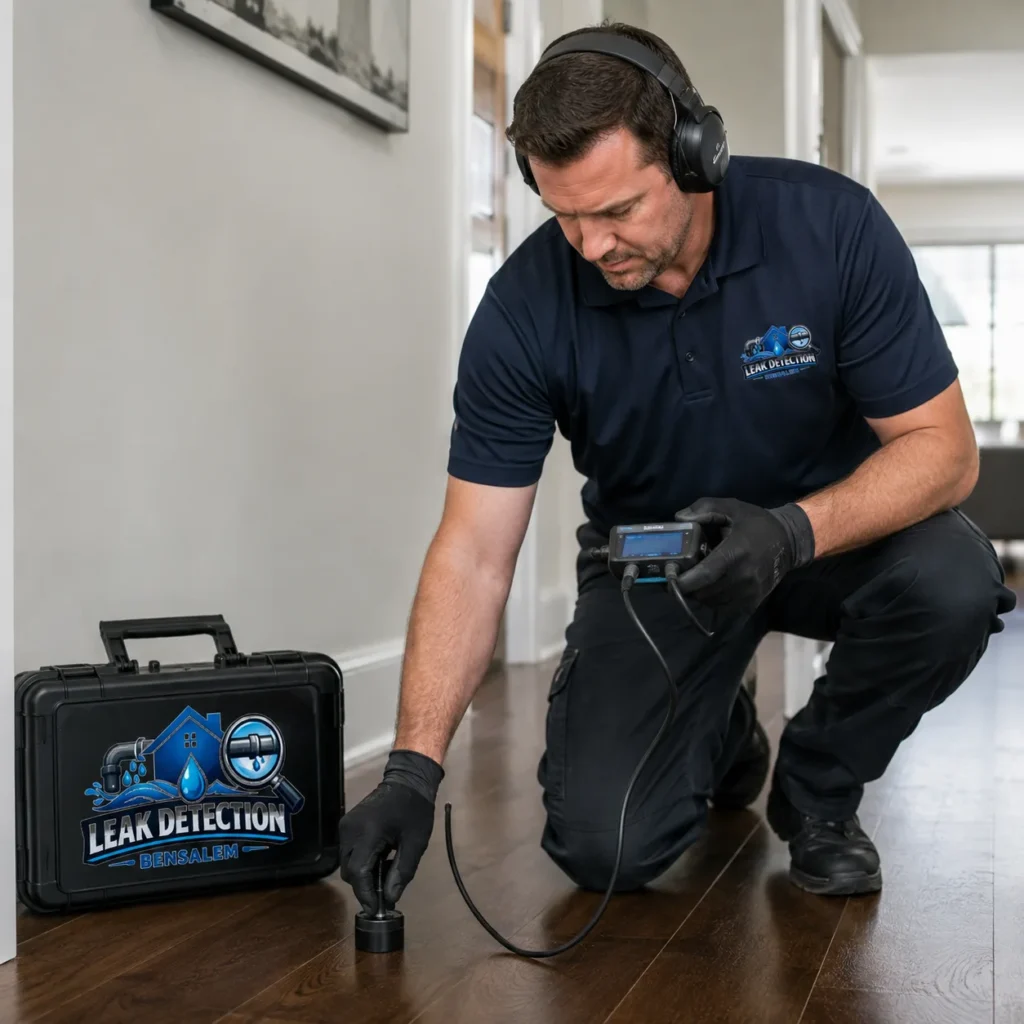
- Sound of Running Water: Water can be heard under the floor while every faucet, toilet, and appliance is off.
- A Water Meter That Keeps Moving: The low-flow indicator turns with all fixtures off, which confirms pressurized water loss.
- Cracked Tile or Damaged Flooring: Moisture and soil movement under the slab crack tile, lift wood floors, and loosen carpet.
- Damp Carpet or Musty Odors: Water rising through the concrete dampens carpet pads and creates a musty smell near the floor.
- Water Heater Running Constantly: A hot water slab leak makes the water heater refill and reheat water nonstop.
- Low Water Pressure: Water escaping under the slab reduces the pressure at faucets and showers.
A combination of these signs calls for slab leak detection to confirm the leak and pinpoint its location under the floor.
Same-Day Appointments
Licensed & Experienced Specialists
Warranty-Backed Work
Upfront Flat-Rate Pricing
15+
YEARS
EXPERIENCE
500+
Leak Inspections
90+
━ TYPES OF SLAB LEAKS
Types of Slab Leaks and Their Signs
The type of pipe that leaks under the slab changes the signs homeowners notice first.
Hot Water Line Leaks
A leaking hot water line creates warm floor spots and keeps the water heater running, so these leaks often show the clearest signs.
Cold Water Line Leaks
A leaking cold water line does not warm the floor, so the first signs are usually a moving water meter, a higher bill, and damp flooring.
Drain Line Leaks Under the Slab
A cracked drain pipe under the slab leaks only when water runs down it, which causes odors and damp areas without moving the water meter.
Radiant Heating Leaks
Homes with radiant floor heating have heating tubes in the slab, and a leak in those tubes causes pressure loss in the heating system. Radiant heating leak detection locates these leaks.
━ HOW TO CHECK
How to Check for a Slab Leak
These five checks help confirm whether a slab leak is likely before a professional inspection.
01
Walk the Floors Barefoot
Walk across tile and concrete floors and feel for areas that are warmer than the surrounding floor.
02
Listen in a Quiet Home
Turn off every fixture and listen near the floor at night for hissing or running water.
03
Watch the Water Meter
Turn off all water use and check whether the low-flow indicator on the meter keeps moving.
04
Check the Water Heater
Listen for the water heater firing or refilling when no one has used hot water.
05
Schedule Slab Leak Detection
Book a professional inspection when two or more checks point to a leak, so the leak is pinpointed before any floor is opened.
━ SIMILAR PROBLEMS
Problems That Look Like a Slab Leak
Several other problems produce similar signs. Ruling them out keeps the diagnosis accurate.
Leaks Inside Walls
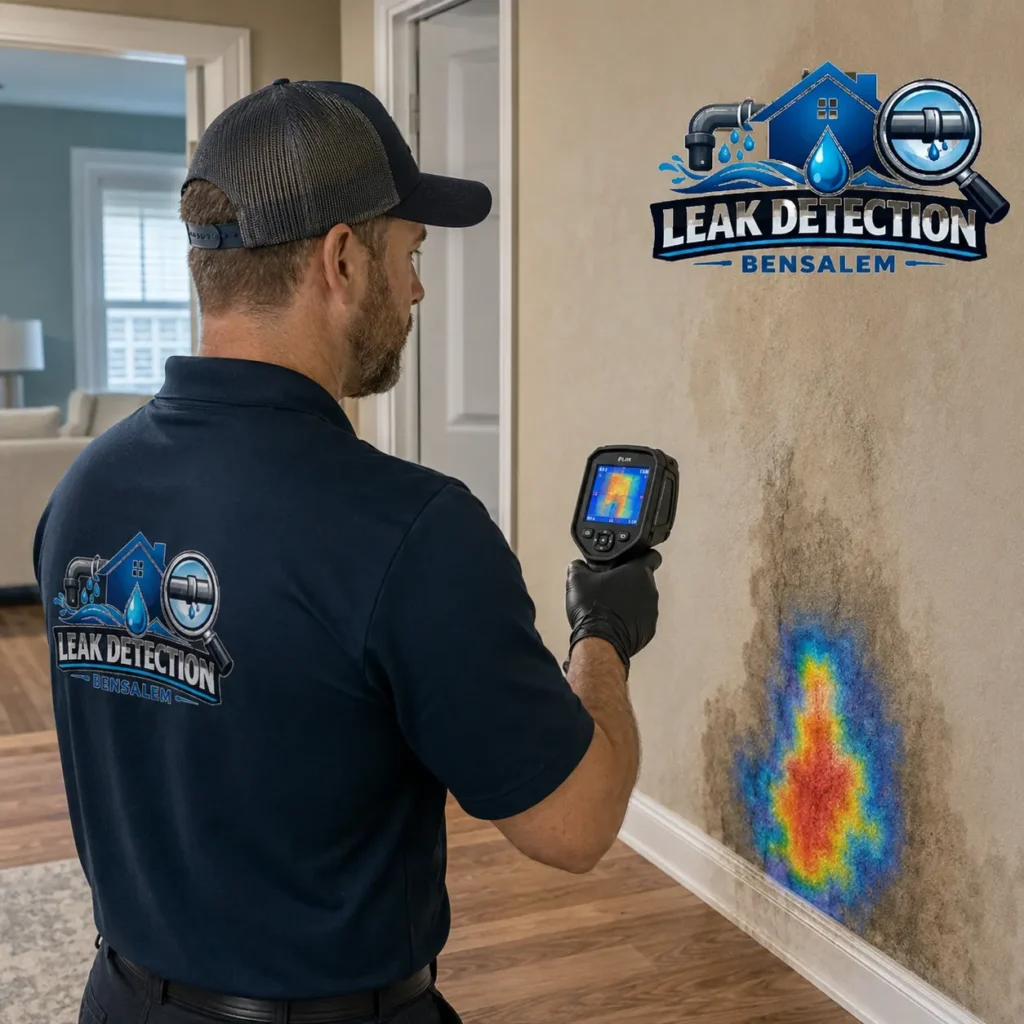
A supply pipe leaking inside a wall can wet the floor at the base of the wall and mimic a slab leak.
Underground Service Line Leaks
A leak on the buried service line moves the water meter just like a slab leak, but the water escapes in the yard instead of under the home.
Groundwater and Drainage Problems
Poor outdoor drainage and high groundwater can dampen a slab without any pipe leaking.
Toilet and Fixture Leaks
A running toilet moves the water meter and raises the bill without any leak under the floor.
Why Slab Leak Signs Need Fast Attention
A slab leak keeps running under the floor day and night, and the escaping water can wash soil away beneath the slab. Continued water loss raises water and energy bills and can damage flooring and the foundation.
Early detection keeps the repair small. Our guide to slab leak repair options explains what happens after the leak is found.
━ Common Issues
Frequently Asked Questions
These answers cover common questions about the signs of a slab leak.
Still Have Questions?
What does a slab leak feel like?
A hot water slab leak usually feels like a warm or hot spot on a tile or concrete floor. A cold water slab leak does not change the floor temperature, so it usually shows up at the water meter or as damp flooring.
Can you hear a slab leak?
Yes. Pressurized water escaping under the slab can make a hissing or running sound that is easiest to hear at night when the home is quiet.
Does a slab leak always raise the water bill?
A slab leak on a supply line raises the water bill because the escaping water passes through the meter. A drain leak under the slab does not raise the bill, because that water has already passed through the meter.
Can a slab leak damage my foundation?
Yes. Water escaping under the slab can wash away or soften the soil that supports the concrete, which can lead to settling and cracks over time.
Does the floor have to be removed to find a slab leak?
No. Leak Detection Bensalem locates slab leaks with non-invasive methods first, so the floor is opened only at the confirmed leak location.
NEED PROFESSIONAL LEAK DETECTION?
Think You Have a Slab Leak?
Warm floors, a moving meter, and the sound of running water point to a slab leak. Leak Detection Bensalem confirms the leak and pinpoints it under the floor so the repair stays small. Call (877) 540-5737, Monday to Sunday from 8 AM to 8 PM, or book online to request your inspection.