Serving Bensalem and nearby areas 

Emergency Water Leak Detection Specialist

SAME-DAY SERVICE AVAILABLE

Radiant Heating Leak Detection in Bensalem PA

A hidden leak in hydronic radiant heating tubing can cause pressure loss, uneven heat, moisture, and damage beneath floors or concrete. Leak Deduction Bensalem provides radiant heating leak detection in Bensalem, PA to help locate concealed water loss before unnecessary flooring or slab removal begins.


15+

Years Service

500+

Leak Inspections

9+

Communities Served

2400+

Happy Owners
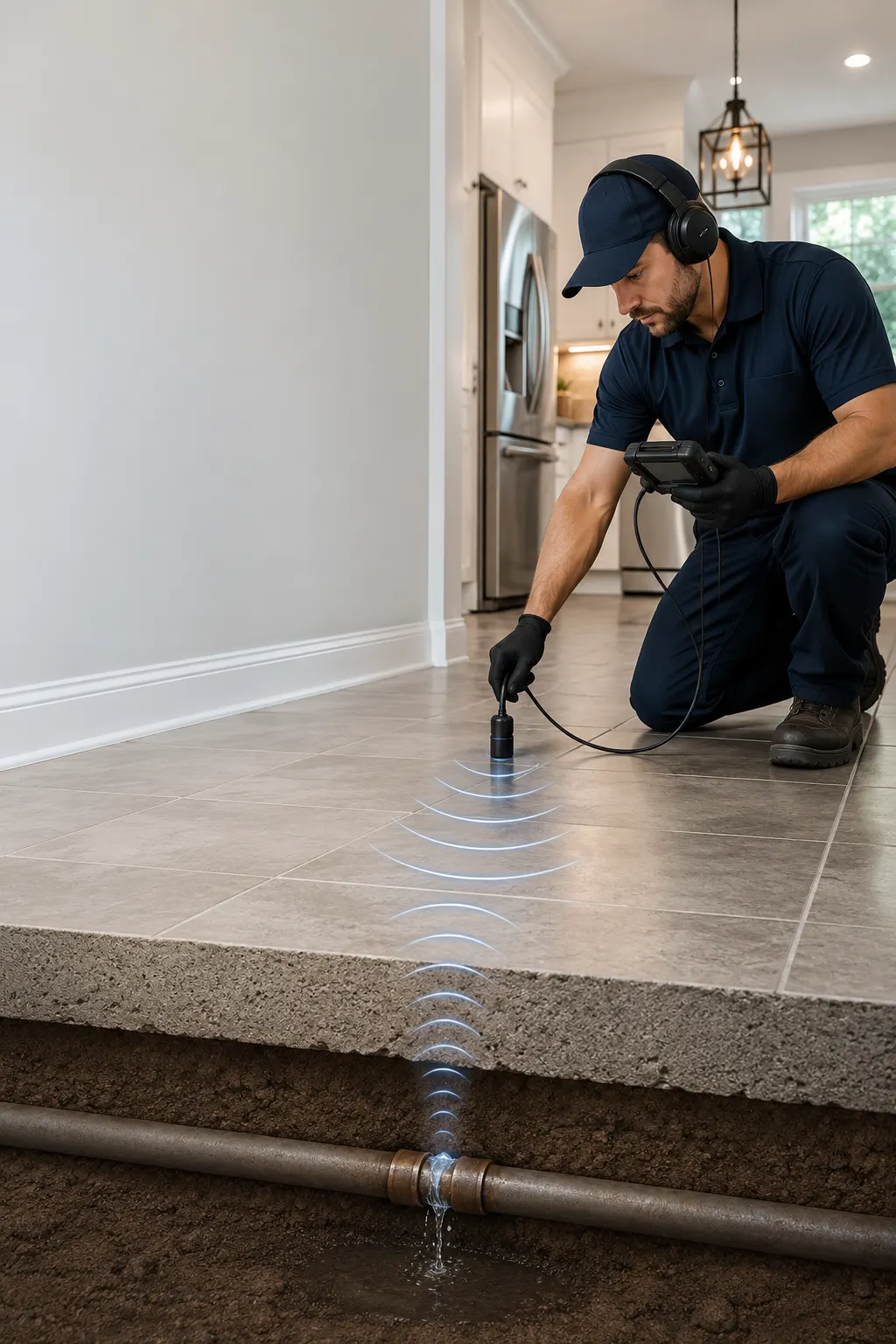
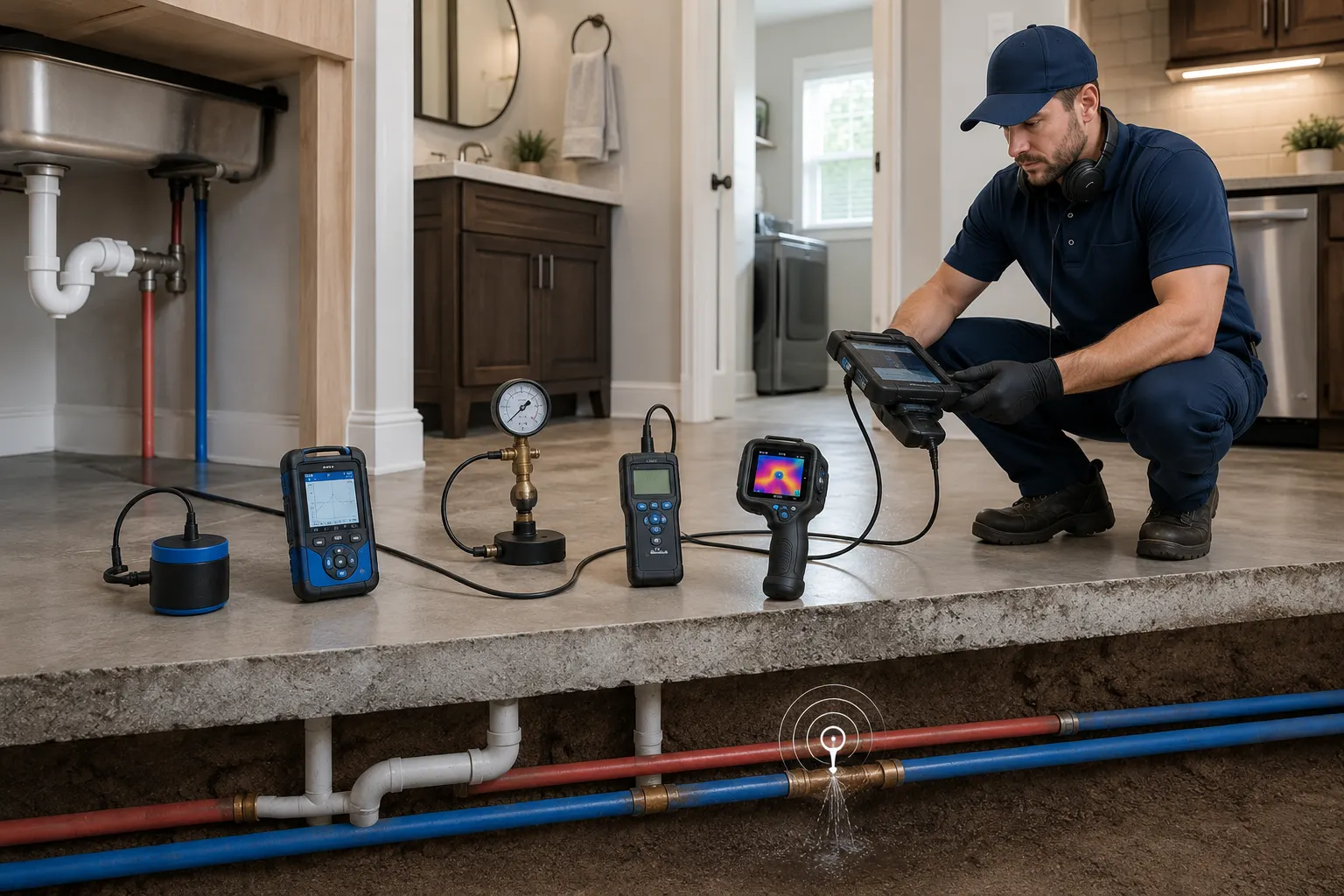
Slab leak detection technician locating a hidden pipe leak beneath a concrete floor in Bensalem PA

First-Visit Fix

95% success rate

4.9 ★ Rated

500+ reviews

Warranty Backed

Parts & labor

Same-Day Service

same day detections

Licensed Detectors

Advanced technology

Warranty Backed

Parts & labor covered

Transparent Pricing

No surprise fees

15+

YEARS SERVICE

━ ABOUT US

Warning signs your radiant heating system is leaking

Hydronic radiant heating circulates heated water through concealed tubing beneath floors or within slabs. Because the piping is hidden, changes in pressure, heating performance, or surrounding materials often provide the first evidence of a leak.

  • Falling System Pressure: Repeated pressure loss in a closed-loop radiant heating system can indicate that water is escaping through tubing, a fitting, manifold connection, or another hydronic component.
  • Frequent Makeup Water: A system that repeatedly requires additional water may be losing fluid somewhere within the radiant heating loop instead of maintaining stable operating pressure.
  • Cold or Uneven Floor Areas: A leaking loop can reduce circulation and prevent sections of the floor from receiving the same heat as properly functioning zones.
  • Moisture Around Flooring: Damp flooring, staining, unexplained moisture, or wet areas near a heated floor may indicate water escaping from concealed radiant tubing or connections.
  • Air or Noise in the System: Water loss can allow air into a hydronic loop, contributing to circulation noise, reduced flow, and inconsistent heat delivery.

Same-Day Appointments

Licensed & Experienced Specialists

Warranty-Backed Work

Upfront Flat-Rate Pricing

15+

YEARS
EXPERIENCE

500+

Leak Inspections

90+

5-Star Reviews

━ WHAT WE DETECT

Common locations for radiant heating leaks

Hydronic radiant systems contain concealed tubing, manifolds, fittings, valves, and connections. A leak may occur beneath finished flooring, inside a slab, or near accessible system components.

Radiant Floor Tubing

PEX, copper, or other hydronic tubing can develop punctures, splits, cracks, or stressed areas that release heating water beneath flooring or concrete.

Tubing Connections

Connections between tubing and other hydronic components can leak when fittings loosen, seals deteriorate, or mechanical stress affects the joint.

Radiant Heating Manifold

The manifold distributes heated water among individual radiant zones. Leaking connections, valves, or seals around the manifold can produce pressure loss without a buried tubing failure.

Tubing Concrete Slabs

Radiant tubing embedded in concrete can be difficult to inspect directly, making precise leak location important before any slab or floor surface is opened.

━ HOW IT WORKS

What triggers subsurface radiant heating failure?

Understanding how concealed heating tubing fails helps narrow the investigation toward the areas and components most likely to be responsible.

01

Accidental Tubing Puncture

Nails, screws, drilling, or other penetrations through a floor can damage concealed radiant tubing and create a localized hydronic leak.

02

Freezing Damage

Water freezing inside inadequately protected radiant tubing can expand and split the pipe, allowing water to escape once the system operates again.

03

Floor or Slab Movement

Movement, settling, or cracking around embedded tubing can place mechanical stress on pipes and fittings, eventually contributing to a concealed leak.

04

Aging Connections

Seals, fittings, valves, and connections can deteriorate over time, creating gradual water loss even when the main radiant tubing remains intact.

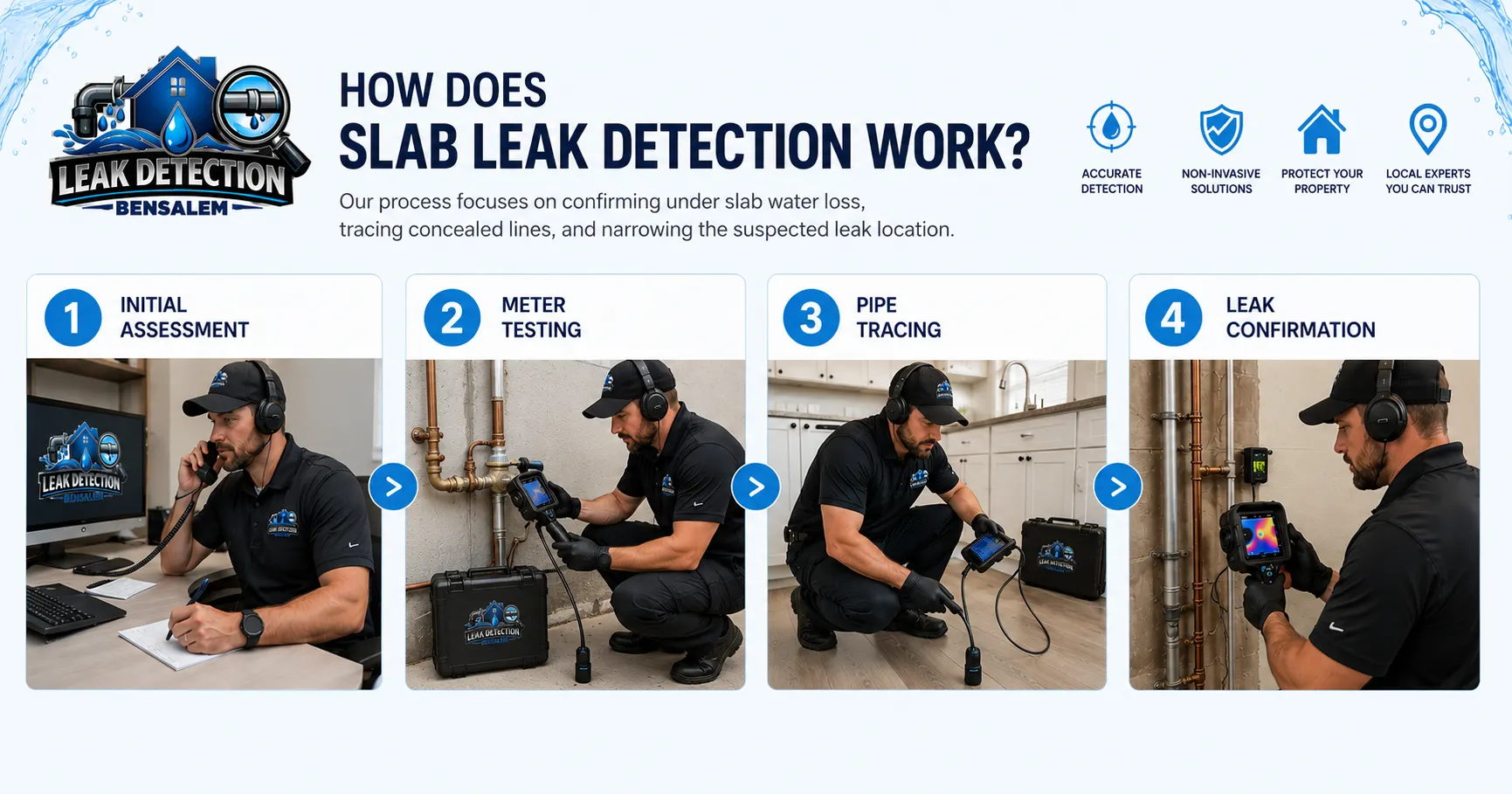
Slab leak detection process using meter testing, pressure testing, pipe tracing, and acoustic equipment

━ WHY PROPERTY OWNERS CHOOSE US

How technicians pinpoint hidden radiant floor leaks?

Effective diagnosis first confirms that the hydronic system is losing water, then narrows the problem to a loop, connection, manifold, or concealed tubing location.

Confirm Pressure Loss

Monitoring system pressure helps establish whether the closed hydronic loop is maintaining pressure or showing evidence consistent with an active water leak.

Check Components

Manifolds, valves, fittings, boiler connections, and visible piping should be evaluated before assuming the leak is buried beneath the floor.

Isolate Radiant Zones

Testing individual loops can help determine which radiant zone is losing pressure and reduce the area that requires more focused investigation.

Map Concealed Heating

Understanding where radiant tubing travels beneath the floor helps relate temperature patterns and system behavior to the suspected leaking loop.

Pinpoint Leak Location

Once the affected loop is identified, targeted diagnostic methods can narrow the concealed leak location before flooring or concrete is opened.

━ ADVANCED DETECTION TECHNOLOGY

Radiant Heating Leak Detection Methods and What They Reveal

Different methods answer different diagnostic questions. The most useful approach depends on the system type, tubing location, pressure behavior, and accessibility of the radiant heating loops.

Hydrostatic Testing

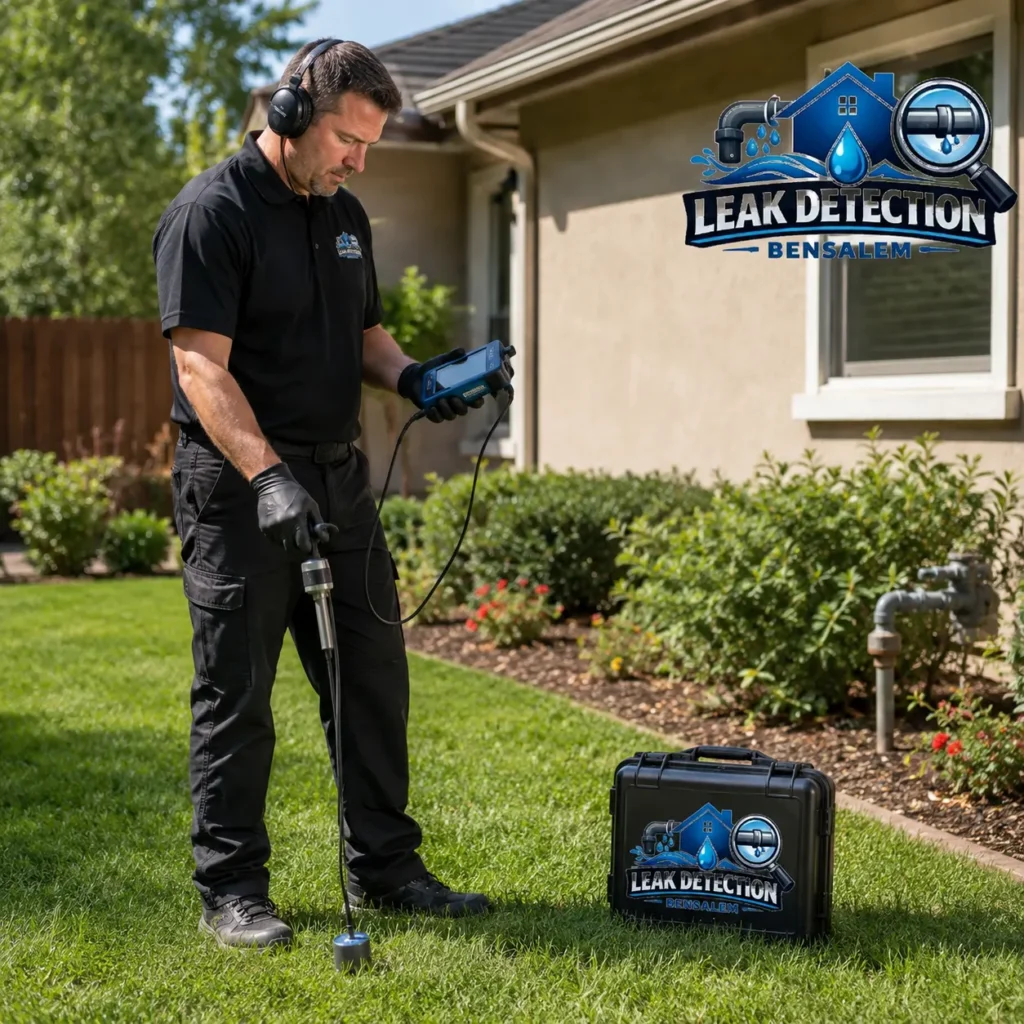
acoustic leak detection Bensalem PA

Pressure testing helps confirm whether a hydronic radiant loop is losing pressure and can isolate the affected zone from loops that remain stable.

Zone & Loop Isolation

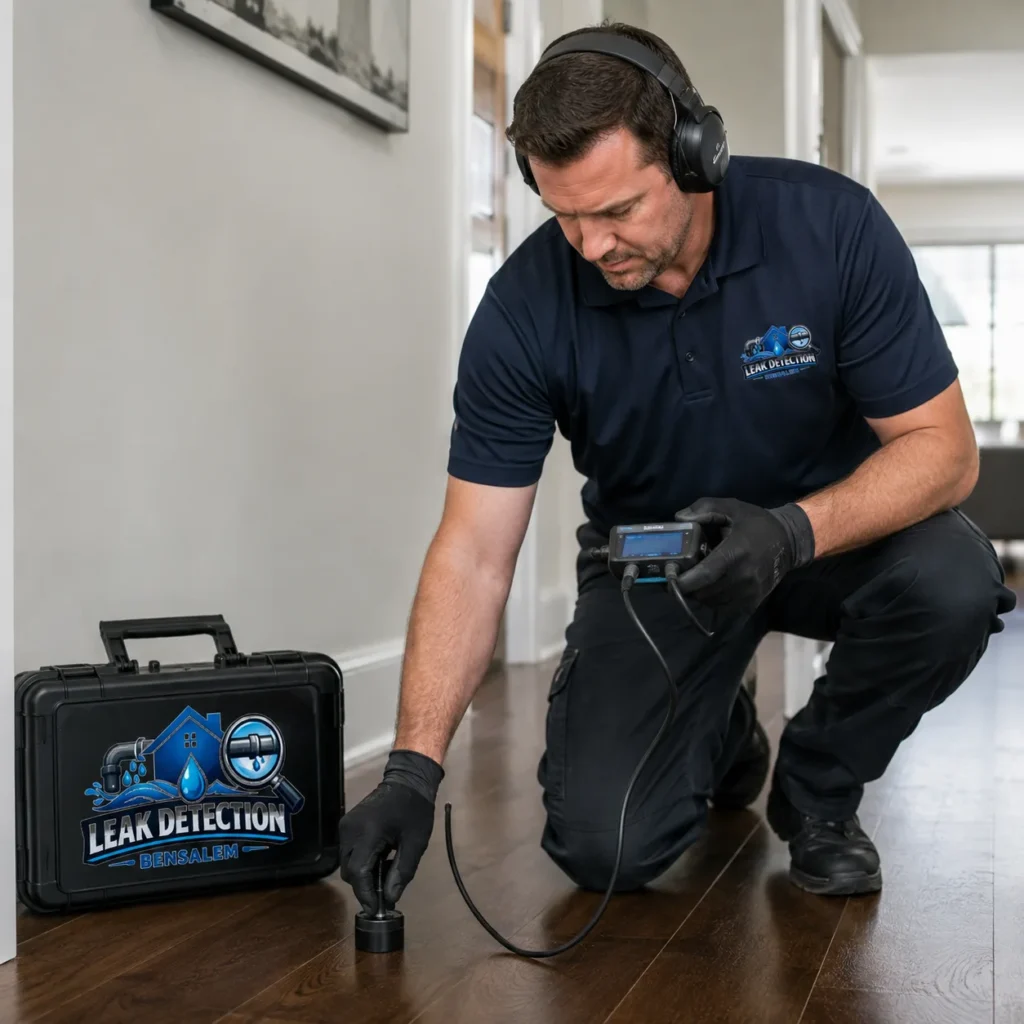
water leak detection equipment locating concealed plumbing leak beneath flooring

Closing and testing individual radiant circuits helps narrow a system-wide pressure problem to the specific loop or section requiring further investigation.

Thermal Imaging

Professional leak detection specialist using thermal imaging camera

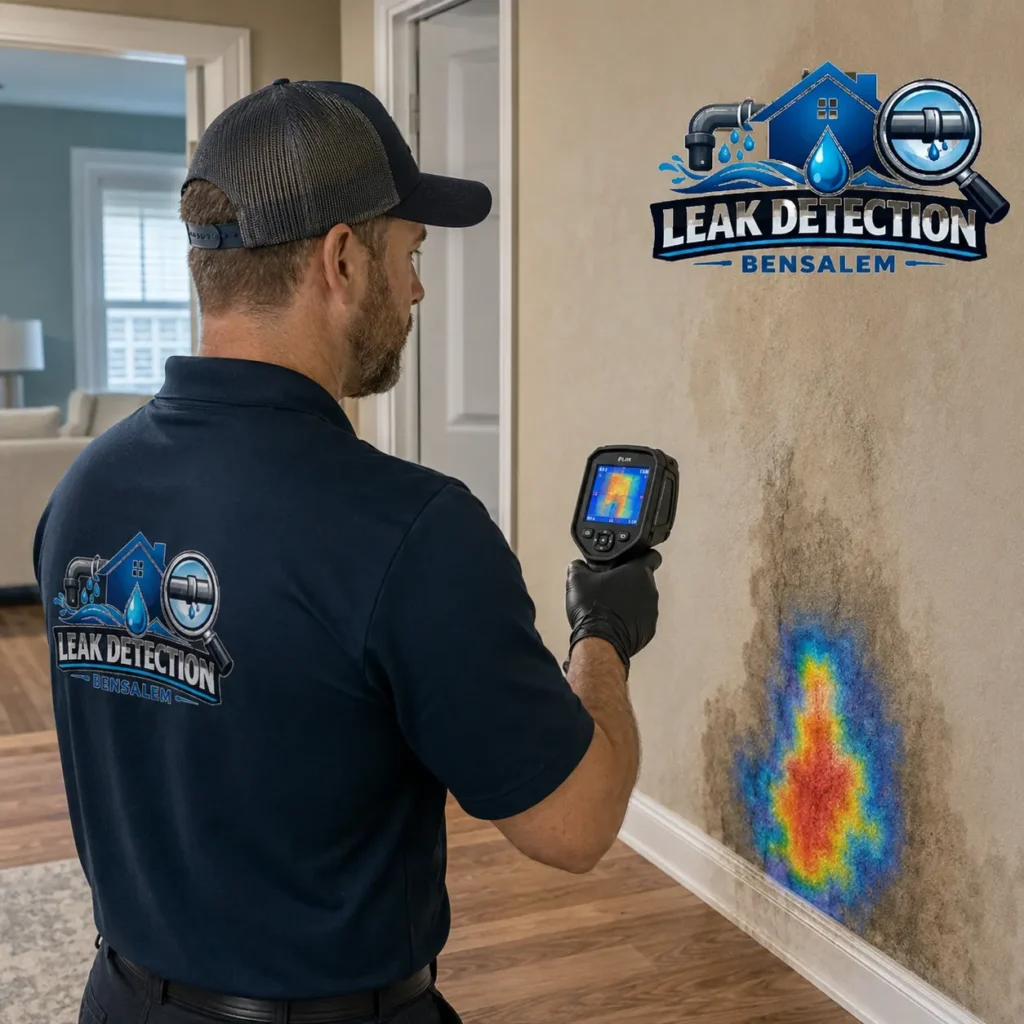
Thermal imaging can reveal unusual heat patterns beneath floors that help trace radiant tubing and identify areas where circulating hot water behaves differently.

Acoustic Leak Detection

Professional leak detection specialist using thermal imaging camera

Escaping water can create sound or vibration within concealed piping. Acoustic methods may help narrow a suspected leak when surrounding conditions allow useful sound transmission.

Tracer Gas Detection

Professional leak detection specialist using thermal imaging camera

Specialized tracer gas methods can help locate very small concealed leaks by detecting gas escaping through defects in isolated radiant heating tubing.

━ LOCAL EXPERIENCE

Fast radiant heating leak location for Bensalem

Leak Deduction Bensalem provides radiant heating leak detection in Bensalem, PA for hydronic systems showing unexplained pressure loss, uneven floor heat, recurring water loss, or signs of concealed moisture.

The investigation focuses on determining whether the problem involves a radiant loop, embedded tubing, manifold, fitting, valve, or accessible connection before decisions are made about opening floors or repairing the system.

Professional water leak detection service in Bensalem Pennsylvania neighborhood

Why Precise Radiant Leak Location Matters

Radiant tubing is often hidden beneath tile, wood flooring, subflooring, or concrete. Opening a floor without first narrowing the leak can damage unaffected areas and increase the amount of restoration required after the repair.

A focused diagnosis connects pressure loss, zone performance, tubing layout, moisture, and temperature patterns to the suspected leak location. This information helps direct access toward the actual problem rather than relying on exploratory floor removal.

Common Issues

Frequently Asked Questions

If you’re unsure whether you have a hidden leak, these answers can help you know when it’s time to schedule a professional inspection.

Still Have Questions?

Call us anytime — (877)-540-5737

How do I know if my radiant floor heating system has a leak?

Repeated pressure loss, frequent makeup water, unexplained floor moisture, circulation noise, or uneven heating can indicate a hydronic leak. Testing helps determine whether the problem involves concealed tubing or another system component.

Yes. Hydronic tubing embedded within or beneath a concrete slab can develop a puncture, split, stressed area, or connection failure. Because the tubing is concealed, targeted detection helps narrow the location before concrete is opened.

Thermal imaging can help trace radiant heating patterns and identify unusual temperature behavior around a suspected area. It is most useful when combined with system conditions and other diagnostic evidence rather than treated as automatic proof of a leak.

Pressure loss can result from leaking tubing, fittings, manifold connections, valves, or other hydronic components. Inspecting accessible components and isolating individual loops helps narrow the source.

Yes. Drilling or fastening through flooring without knowing the tubing layout can puncture concealed radiant piping and create a localized water leak within the hydronic loop.

NEED PROFESSIONAL LEAK DETECTION?

Locate the Source Before Opening the Floor ?

Pressure loss or a cold floor area does not reveal exactly where concealed radiant tubing has failed. Effective leak detection connects hydronic pressure, individual heating zones, tubing paths, moisture, and diagnostic findings to narrow the problem.

Contact Leak Deduction Bensalem for radiant heating leak detection in Bensalem, PA and take the next step toward locating hidden water loss within your hydronic radiant heating system.