SAME-DAY SERVICE AVAILABLE
Water Stain on the Ceiling: Roof, Plumbing, or AC?
A water stain on the ceiling comes from one of three main sources: the roof, a plumbing fixture or pipe above the ceiling, or an air conditioning condensate line. The location of the stain and the timing of its growth usually identify the source. This guide from Leak Detection Bensalem explains how to read the stain.
15+
Years Service
500+
Leak Inspections
9+
Communities Served
2400+
Happy Owners

Same-Day Service
same day detections
Licensed Detectors
Warranty Backed
Transparent Pricing
━ READING THE STAIN
What a Ceiling Stain Tells You
A ceiling stain records where water has collected and dried. The position, shape, and behavior of the stain point to the likely source.
- Stain Under a Bathroom: A stain directly below a toilet, tub, or shower points to a fixture, seal, or drain leak on the floor above.
- Stain on a Top-Floor Ceiling: A stain on the highest ceiling of the home, especially near exterior walls or a chimney, points to the roof or flashing.
- Stain Near an Air Handler: A stain near an attic air handler or supply vent points to a clogged condensate line or drain pan.
- Stain That Grows After Rain: Growth during or after rain points to the roof rather than the plumbing.
- Stain That Stays Wet in Dry Weather: A stain that stays wet with no rain and no fixture use points to a pressurized supply pipe.
- Rings Inside Rings: Several rings show that the leak has wet and dried the drywall repeatedly over time.
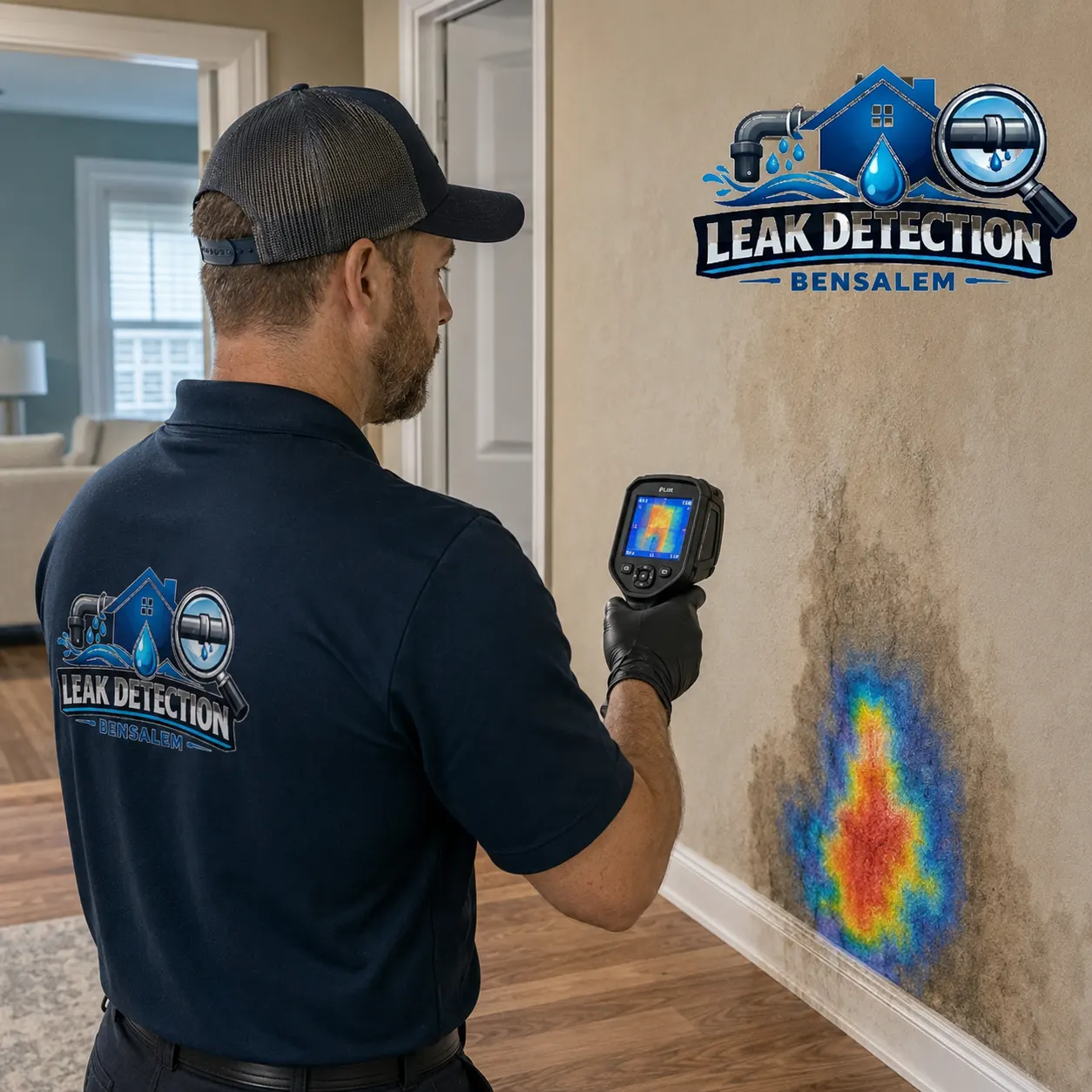
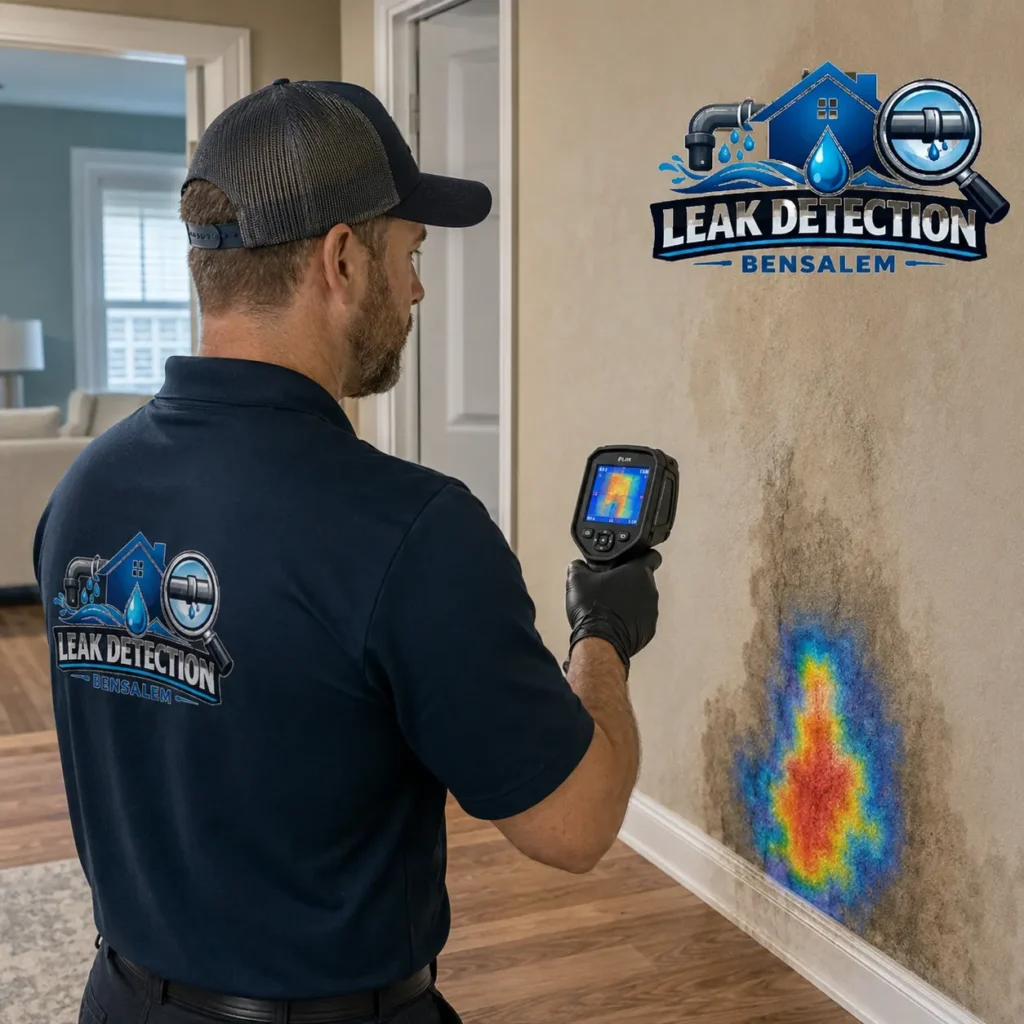
A water stain that keeps growing calls for ceiling leak detection to confirm the source before any repair.
Same-Day Appointments
Licensed & Experienced Specialists
Warranty-Backed Work
Upfront Flat-Rate Pricing
15+
YEARS
EXPERIENCE
500+
Leak Inspections
90+
━ COMMON SOURCES
Common Sources of Ceiling Water Stains
Each source below leaves a different pattern on the ceiling.
Roof and Flashing Leaks
Damaged shingles, flashing, and chimney seals let rainwater into the attic, where it soaks the ceiling below during and after storms.
Bathroom Fixture Leaks
Failed toilet seals, tub drains, and shower pans release water during use, so the stain grows after the fixture above is used.
Supply Pipe Leaks
A pinhole or failed fitting in a supply pipe above the ceiling leaks constantly and keeps the stain wet at all times.
Air Conditioning Condensate Leaks
A clogged condensate line or cracked drain pan leaks during the cooling season and stains the ceiling near the air handler.
━ WHAT TO DO
What to Do About a Water Stain on the Ceiling
Follow these steps to protect the home and identify the source.
01
Check Whether the Stain Is Wet
Press lightly on the stain. A damp or soft ceiling means the leak is still active.
02
Note When the Stain Grows
Record whether the stain grows after rain, after a fixture above is used, or while the air conditioning runs.
03
Inspect the Area Above
Check the bathroom, attic, or air handler above the stain for water, damaged seals, or a full drain pan.
04
Protect the Room
Turn off power to any wet light fixture at the breaker and move belongings away from the stain.
05
Schedule Leak Detection
Book ceiling leak detection when the source above the stain is not obvious, so the right trade makes the repair.
━ ROOF OR PLUMBING?
Roof Leak or Plumbing Leak?
These four clues separate a roof leak from a plumbing leak.
Timing
A roof leak grows during rain, while a plumbing leak grows after fixture use or stays wet all the time.
Location
A roof leak usually stains the top floor, while a plumbing leak can stain a ceiling on any floor below a bathroom or pipe.
Weather Pattern
A stain that appears only in wet weather points to the roof, and a stain that appears in dry weather points to the plumbing.
Moisture Readings
Moisture readings that rise after a fixture is used confirm a plumbing source, which leak detection equipment can then trace.
Why You Should Not Paint Over a Ceiling Stain
Paint hides a ceiling stain but leaves the leak running above it. Water keeps soaking the drywall, insulation, and framing, and the stain returns once the new paint absorbs moisture.
Finding the source first protects the ceiling and prevents a repeat repair. Our ceiling leak detection service traces the stain to its confirmed source.
━ Common Issues
Frequently Asked Questions
These answers cover common questions about water stains on the ceiling.
Still Have Questions?
Is a water stain on the ceiling an emergency?
A dry, old stain is not an emergency, but a wet, sagging, or growing stain means an active leak. Turn off power to nearby light fixtures and schedule an inspection.
Why is there a water stain on my ceiling when it has not rained?
A stain that appears in dry weather usually comes from a bathroom fixture, a supply pipe, or an air conditioning condensate line rather than the roof.
Can a ceiling stain come from the bathroom above?
Yes. A leaking toilet seal, tub drain, shower pan, or sink connection releases water into the floor framing and stains the ceiling of the room underneath.
Can I paint over a water stain on the ceiling?
Paint over a stain only after the leak is repaired and the drywall is completely dry. Painting over an active leak hides the problem while the damage continues.
Does homeowners insurance cover a ceiling leak?
Many policies cover sudden water damage from a pipe or fixture but exclude long-term leaks and wear. Our article on insurance and leak detection explains how coverage usually works.
NEED PROFESSIONAL LEAK DETECTION?
Trace Your Ceiling Stain to Its Source
A ceiling stain shows where water lands, not where it starts. Leak Detection Bensalem traces the stain to one confirmed source so the right repair happens the first time. Call (877) 540-5737, Monday to Sunday from 8 AM to 8 PM, or book online to request your inspection.